
What Comes Next After Successfully Completing Mediation
- Jason Galdo
- May 5
- 2 min read

Mediation often marks a turning point in resolving disputes, offering a chance for parties to find common ground without going to court. But once the mediation session ends, many wonder what steps to take next. Understanding the process that follows can help maintain momentum and ensure the agreement reached is effective and lasting.
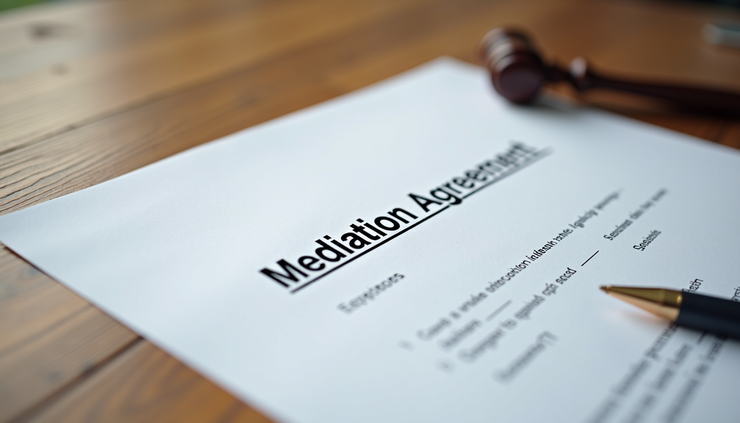
Review the Mediation Agreement Carefully
The first step after mediation is to thoroughly review the agreement reached during the session. This document outlines the terms both parties agreed upon and serves as the foundation for resolving the dispute. Take time to:
Read every clause carefully
Clarify any ambiguous language with your mediator or legal advisor
Confirm that the agreement reflects what was discussed and agreed upon
If the agreement is clear and satisfactory, it can be signed by all parties, making it a binding contract.
Understand the Legal Status of the Agreement
Mediation agreements can have different legal effects depending on the jurisdiction and the nature of the dispute. In many cases, once signed, the agreement becomes enforceable like a contract. This means:
If one party fails to comply, the other can seek enforcement through the courts
The agreement may be filed with a court to become a court order, adding legal weight
It’s important to consult a legal professional to understand how your mediation agreement will be treated under local laws. This knowledge helps you know your rights and obligations moving forward.
Implement the Terms of the Agreement
After signing, the focus shifts to putting the agreement into action. This might involve:
Making payments agreed upon, such as compensation or debt settlement
Changing behaviors or practices, like adjusting business operations or parenting arrangements
Completing specific tasks within set deadlines
Keeping track of deadlines and responsibilities is crucial. Using a calendar or reminder system can help ensure that all parties meet their commitments promptly.
Communicate Openly to Avoid Future Conflicts
Mediation often improves communication between parties. To maintain this positive momentum:
Keep lines of communication open
Address any concerns or misunderstandings early
Use respectful and clear language when discussing the agreement
If new issues arise, consider returning to mediation or seeking other dispute resolution methods before escalating to litigation.
Seek Legal or Professional Advice if Needed
Even after mediation, some situations may require additional support. For example:
If one party does not follow the agreement, legal advice can help determine enforcement options
Complex agreements might need a lawyer to draft formal contracts or court documents
Professional counselors or financial advisors can assist with non-legal aspects of the agreement
Getting expert help ensures that the resolution remains stable and that your interests are protected.
Consider the Benefits of Mediation Follow-Up Services
Some mediation providers offer follow-up services to help parties stay on track. These services might include:
Check-in sessions to review progress
Assistance with modifying the agreement if circumstances change
Guidance on managing ongoing communication
Using these services can prevent disputes from resurfacing and support long-term resolution.
Reflect on the Mediation Experience
Finally, take time to reflect on what you learned from the mediation process. Consider:
How the process helped you understand the other party’s perspective
What negotiation strategies worked well
How mediation might be useful in future conflicts
This reflection can build skills and confidence for handling disagreements constructively.



Comments